Cooling sized for the house
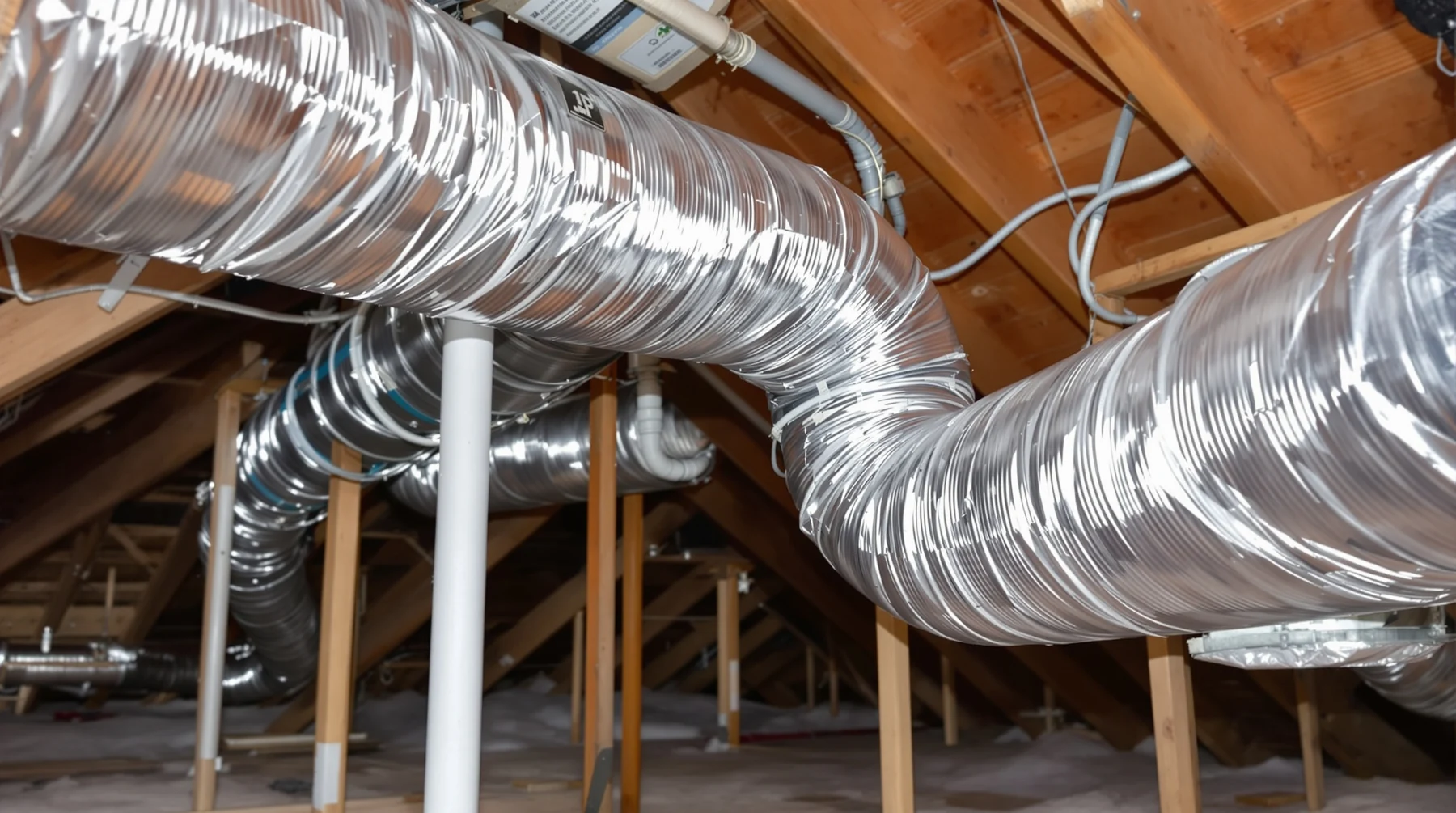
Cooling capacity should follow the building load: windows, insulation, room layout, sun exposure and conditioned space. A larger AC is not automatically a better AC. Oversized equipment can cycle too briefly, while inadequate ducts can limit the performance of an otherwise suitable system.
A matched indoor and outdoor system
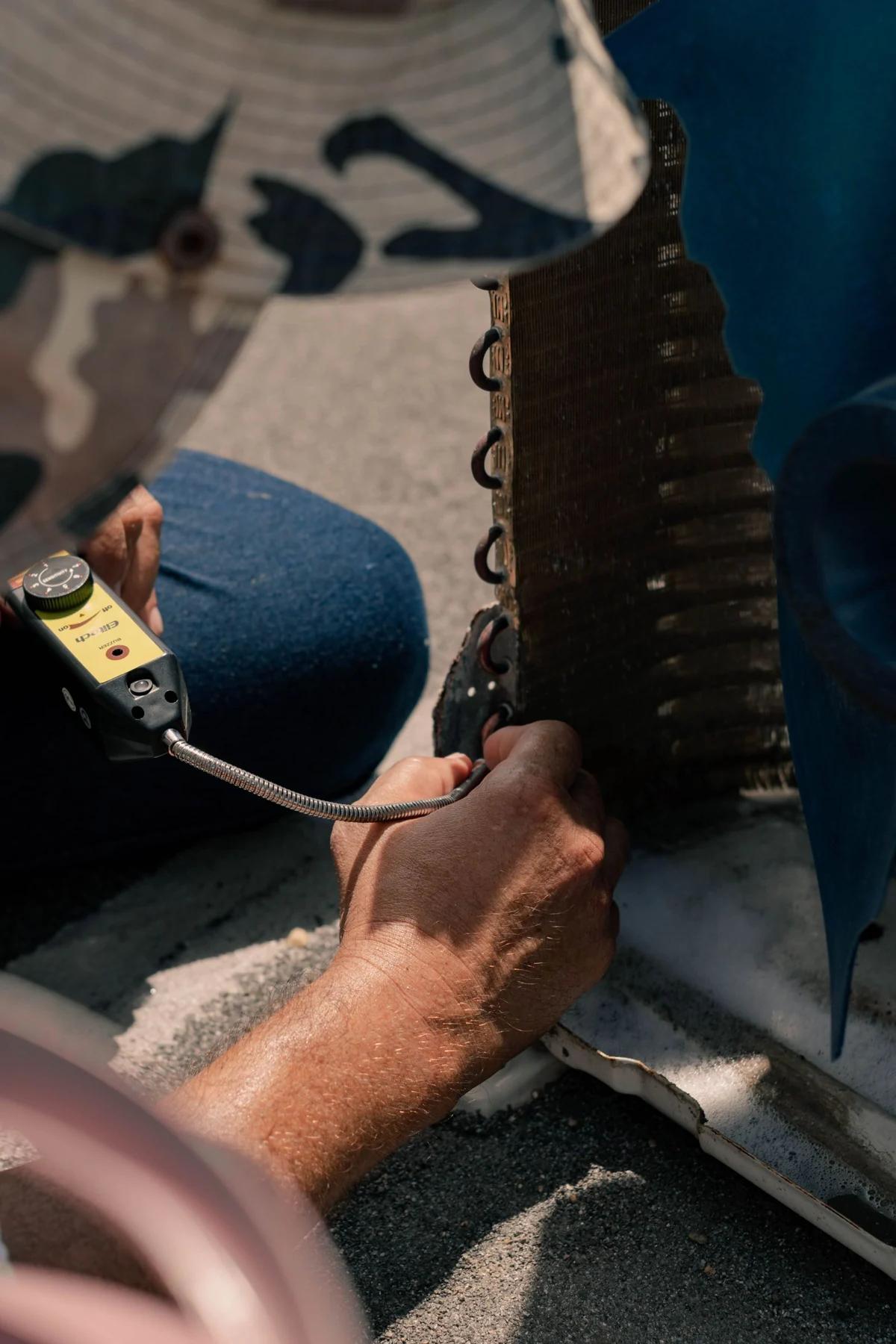
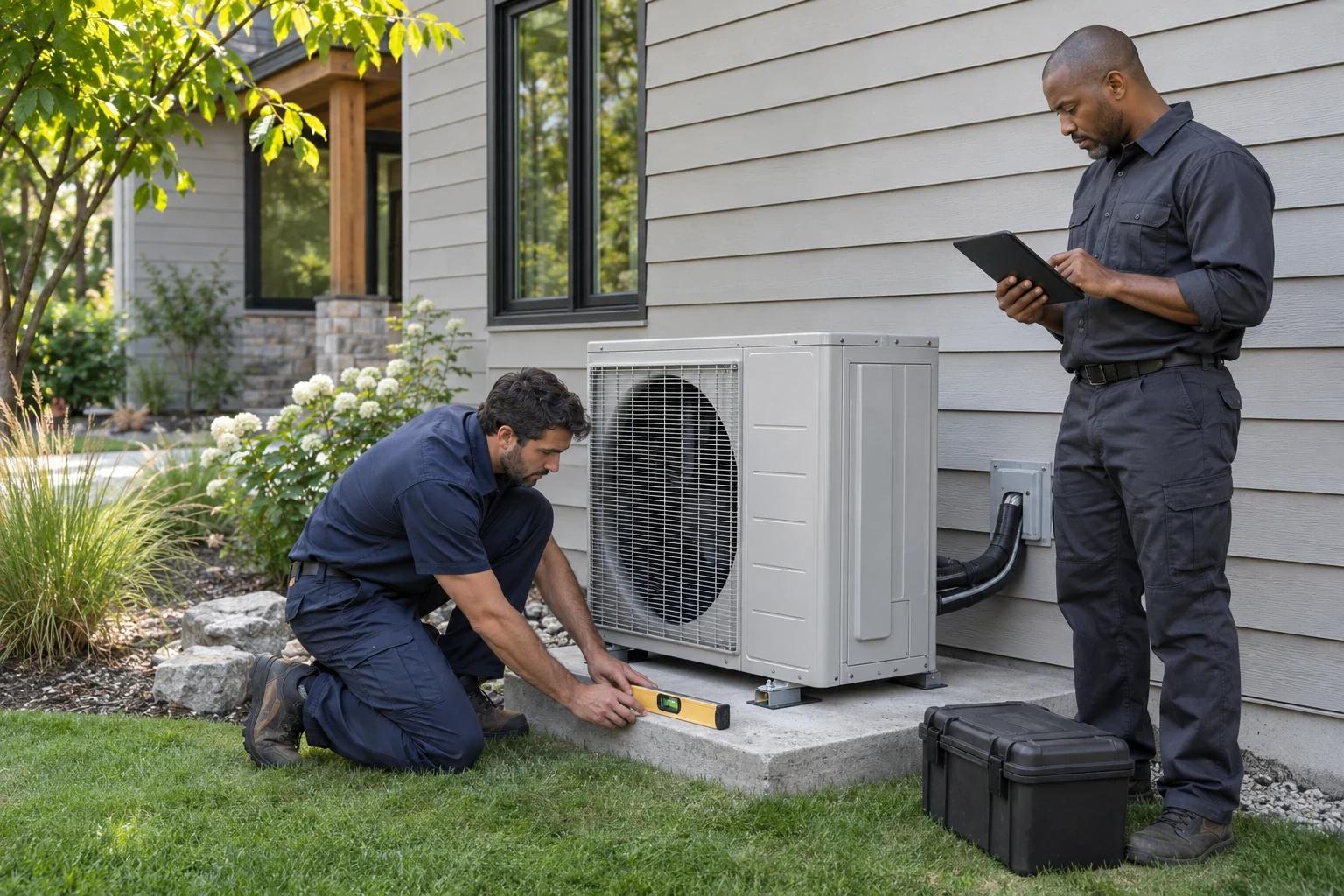
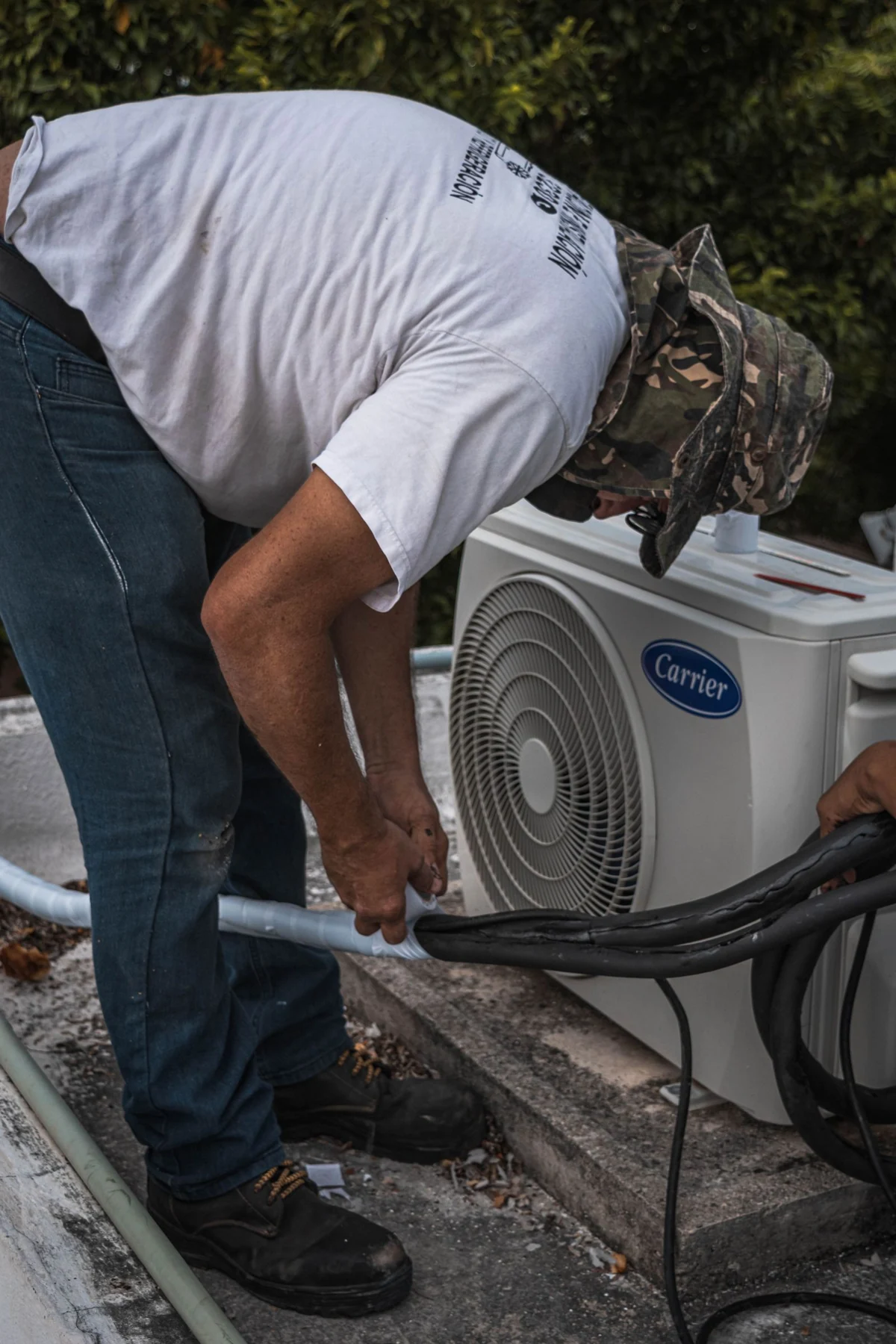
The condenser, indoor coil or air handler and controls must work as a compatible combination. Installation also includes refrigerant piping, electrical connections, equipment support and condensate removal. These connections affect both reliability and the finished appearance of the project.
Better comfort in the rooms that need it
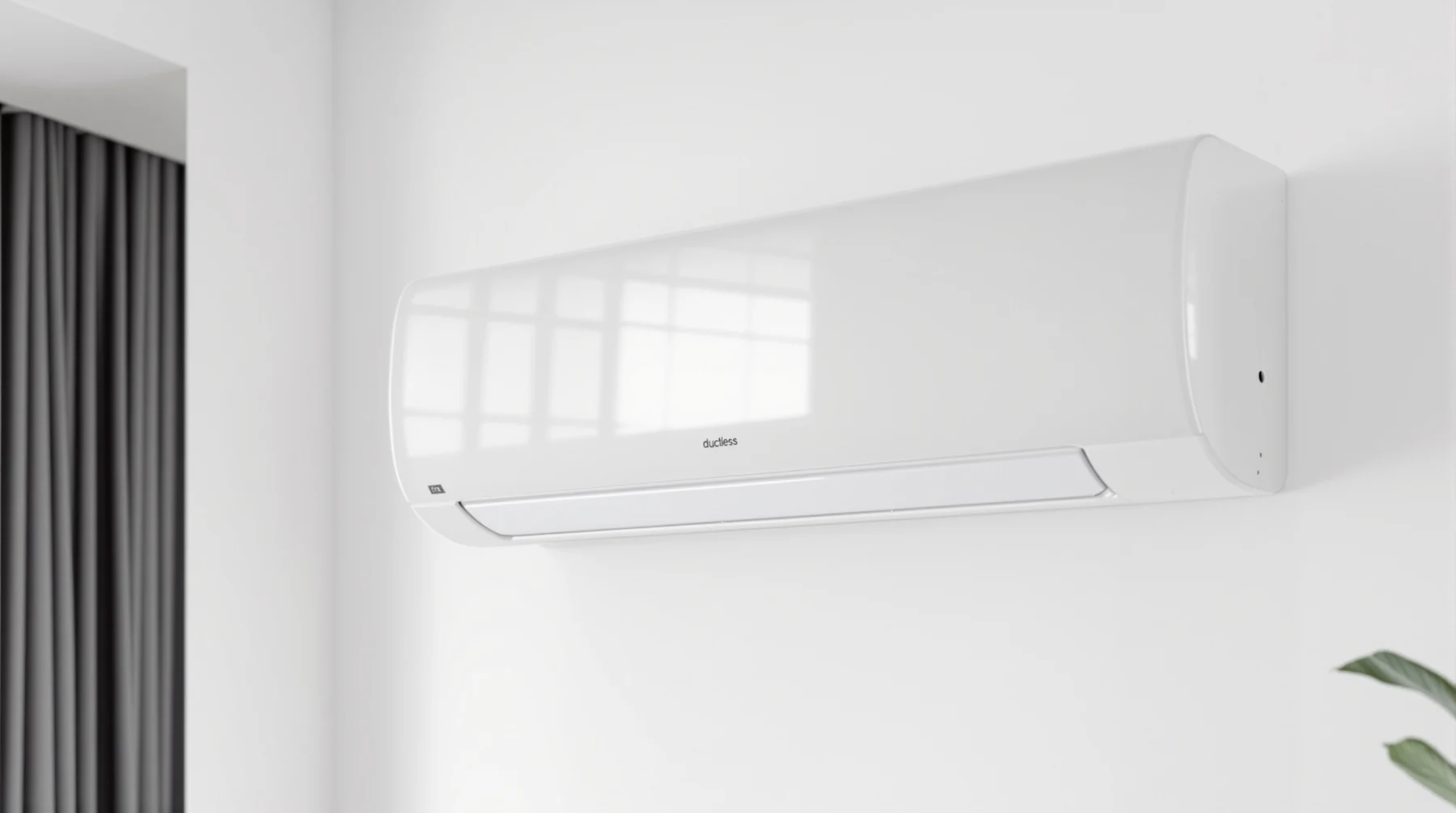
Persistent upstairs heat or weak bedroom airflow needs attention before equipment is chosen. Duct repairs, return-air improvements or separate ductless zones can address distribution limitations. New equipment alone cannot guarantee even temperatures through a restricted air path.
Startup and everyday use
Startup includes system setup and operating checks, with controls set for the installed equipment. Keep model information, operating instructions and applicable warranty paperwork. For budgeting, our AC replacement cost guide explains our approximate installed estimates and the work that changes the total.