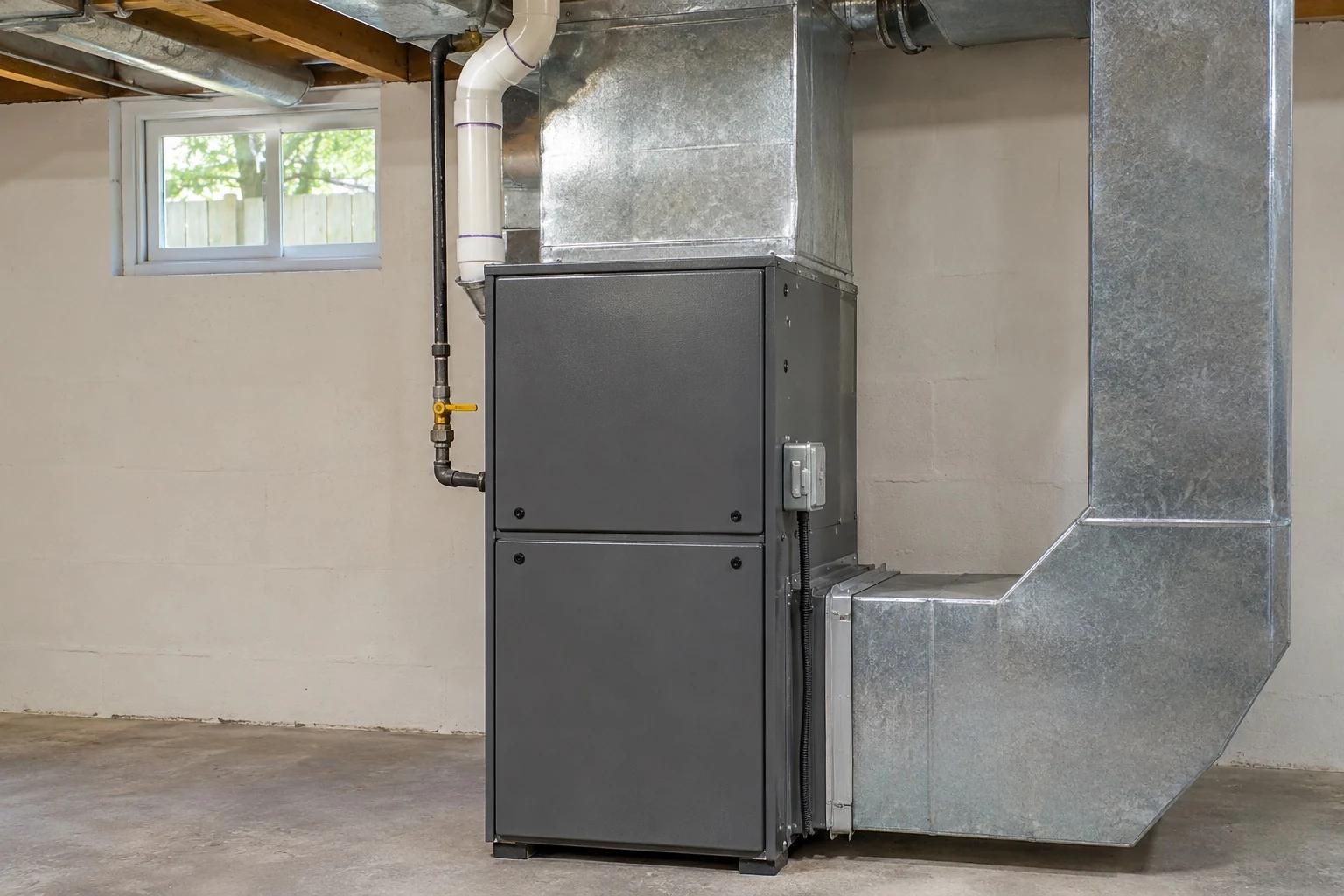
Start with the project price
Compare the equipment and installation before choosing a payment plan. A low monthly payment can come from a longer repayment term, a deposit or a final payment, rather than a lower total price. The cash price, financed amount and any work excluded from the installation should be clear.
Compare the full credit terms
APR expresses the annual cost of credit, including interest and certain fees. The repayment term changes both the monthly payment and how long the balance remains outstanding. Compare the following in the lender’s written terms:
| Item | Why it matters |
|---|---|
| APR and fees | Determines the borrowing cost beyond the project price |
| Deposit and financed amount | Shows how much is paid now and borrowed |
| Term and payment schedule | Sets the repayment period and required payments |
| Total repayment | Makes long and short offers easier to compare |
| Early-payment and late-payment terms | Explains costs or changes if the schedule changes |
Deferred interest is different from 0% APR
A true 0% introductory APR does not accrue interest during the promotional period. A deferred-interest offer, often described as “no interest if paid in full,” can charge interest back to the purchase date if the promotional balance is not paid in time. Minimum payments may not clear that balance by the deadline.
The Consumer Financial Protection Bureau’s promotional-financing explanation describes this distinction. Read the actual agreement rather than relying on the headline.
Financing, rebates and the installation
Ask whether a financing option is available for the proposed work and which lender offers it. Credit decisions and terms come from that lender. Rebates and tax benefits are separate from borrowing, with their own rules and deadlines. Keep the installation scope comparable whether paying cash or financing, and avoid counting an unconfirmed incentive as money already received.